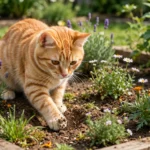



If you love your garden but keep finding cat poop in your flower beds, dug-up seedlings, and scratched soil, you are not alone. Learning how to keep cats out of the garden starts with one simple fact: to a cat, soft, freshly dug soil looks like a perfect litter box.
The good news is you do not need to hurt any animal to learn how to keep cats out of the garden and protect your plants. Below are 11 humane methods that work. Most gardens need a mix of two or three, because no single trick stops every cat.
Why Do Cats Keep Coming Into Your Garden? And How to Keep Cats Out of the Garden
Knowing why cats visit makes it easier to stop them:
- Soft, loose soil: Freshly turned soil is easy to dig, so cats use it as a toilet.
- Warm, quiet spots: Cats like sunny corners, dry mulch, and sheltered borders for naps.
- Hunting: Birds, mice, and insects in your shrubs and around feeders attract cats looking for prey.
- Territory: Once a cat has used your garden, its scent tells it (and other cats) to come back.
Take away these reasons and most cats will move on.
11 Humane Ways to Keep Cats Out of Your Garden
1. Cover Bare Soil
Cats look for open, easy-to-dig earth. Cover your beds with:
- Coarse bark mulch or large wood chips
- Rough gravel, pebbles, or slate chippings
- Dense ground-cover plants, such as creeping thyme
The less bare soil you have, the less attractive your garden becomes.
2. Lay Chicken Wire Just Below the Surface
Lay chicken wire flat over your beds, then cover it with a thin layer of soil or mulch. Cut small openings where your plants grow. Cats cannot dig through the mesh and dislike the feel of it under their paws. Make sure no sharp wire ends stick out.

3. Grow Plants Cats Dislike
Cats have a strong sense of smell, and some plants put them off. Good options for borders include:
- Rosemary: strong smell, and non-toxic to cats according to the ASPCA
- Lemon thyme: low-growing and fragrant
- Coleus canina (the “Scaredy Cat” plant, also called Plectranthus caninus): results are mixed, so use it alongside other methods
Safety note: Lavender, rue, and eucalyptus are often recommended online, but the ASPCA lists them as toxic to cats. Most cats avoid them because of the smell, but skip them if you have pets that chew on plants.
4. Scatter Citrus Peels
Many cats dislike the smell of citrus. Scatter fresh orange, lemon, or lime peels around your beds and replace them every few days or after rain. You can also spray diluted lemon juice on pots, paths, and fences. Do not use citrus essential oils, because concentrated oils are harmful to cats.
5. Install a Motion-Activated Sprinkler
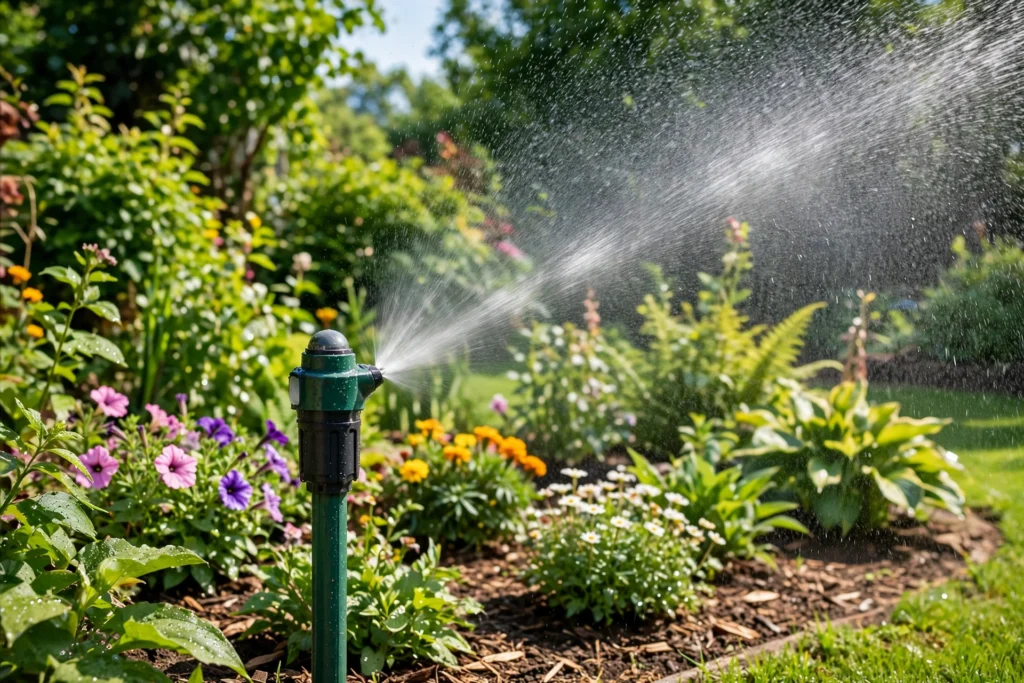
This is one of the most effective humane deterrents. When a cat walks into the sensor zone, the sprinkler fires a short burst of water. It does not hurt the cat, and many cats learn to avoid the area after a few soakings.
Keep in mind that it can also spray you and your visitors, and it will not work in freezing weather.
6. Try an Ultrasonic Repeller
These devices give off a high-pitched sound when they detect movement. Most adults cannot hear it, but cats find it annoying. Place them at cat height near fence gaps and entry points.
Results vary from cat to cat, and the sound can also bother your own pets, so test one before buying several.
7. Make Fences Hard to Climb
Cats jump up and grip the top of a fence to pull themselves over. Rotating rollers or angled netting along the top edge stop them from getting a grip, so they slide back down without getting hurt.
8. Add Rough Textures Around Plants
Cats prefer soft ground under their paws. Place pine cones, twigs, crushed eggshells, or plastic garden spike mats (the blunt kind, made for pets) around seedlings and bare patches.
9. Give Cats Their Own Spot
If you have a cat, or a friendly neighborhood cat you cannot keep out, give it an approved place to go. Fill a shallow area in a quiet corner with loose sand or soil. Many cats will prefer this spot over your flower beds.
You can plant catnip nearby to make it more inviting, but be aware it may attract other cats from the area too.
10. Remove Food Sources
Fallen fruit, open compost heaps, and uncovered trash attract mice and rats, and where there is prey, cats follow. Keep bin lids closed, use a covered compost bin, and clean up seed spilled under bird feeders.
11. Talk to Your Neighbors
Many cat owners have no idea their pet is digging up your garden. A friendly chat can help. They might keep the cat indoors at night and early morning, or add a bell to its collar, which also helps protect birds.
How to Clean Up Cat Poop Safely
Cat poop can carry parasites, including the one that causes toxoplasmosis. Pregnant women and people with weak immune systems should be especially careful.
- Always wear gloves and wash your hands afterward.
- Remove the poop and some of the soil around it.
- Rinse the area with water or an enzyme cleaner to remove the scent, so the cat is less likely to return.
- Wash homegrown vegetables well before eating them.
What NOT to Do: Harmful Methods to Avoid
Some popular “tips” can seriously hurt cats, other pets, and wildlife:
- Mothballs: Toxic to cats, dogs, children, and wildlife. Using them as an outdoor repellent also goes against their label.
- Cayenne pepper or chili flakes: Can burn a cat’s eyes, nose, and paws.
- Essential oils (tea tree, pennyroyal, eucalyptus, citrus): Toxic to cats even in small amounts.
- Bleach or strong chemicals: Harm soil, earthworms, plants, and pets.
- Poison, glue traps, or trapping and dumping cats: Cruel, and in many places illegal.
Frequently Asked Questions
Does vinegar keep cats out of the garden?
It can help for a short time. Mix equal parts white vinegar and water and spray it on fences, paths, and stone edges. Do not spray it on plants or soil, because it can damage plants. The smell fades quickly, so you will need to reapply it often.
Are coffee grounds safe for keeping cats away?
Use them with care. Used coffee grounds still contain caffeine, which is toxic to cats and dogs if eaten. If you use them, spread only a very thin layer mixed into the soil, and skip this method if pets might eat them.
What smell do cats hate the most?
Many cats dislike citrus, rosemary, and vinegar. Every cat is different, so try a few scents and watch what works in your garden.
How long does it take to keep cats away?
Most people see results within one to two weeks of combining two or three methods to keep cats out of the garden.
Final Thoughts
You do not need to harm any animal to protect your garden. Start with simple steps: cover bare soil, lay chicken wire under the surface, and remove food sources. If cats keep coming back, add a motion-activated sprinkler for a fast, harmless fix.
Now you know how to keep cats out of the garden without harming them.